


The Difference Between Selling and Making Someone Believe
Consider two developers targeting similar buyers, price points and locations. Both had good projects, but their buyer experiences were very different.
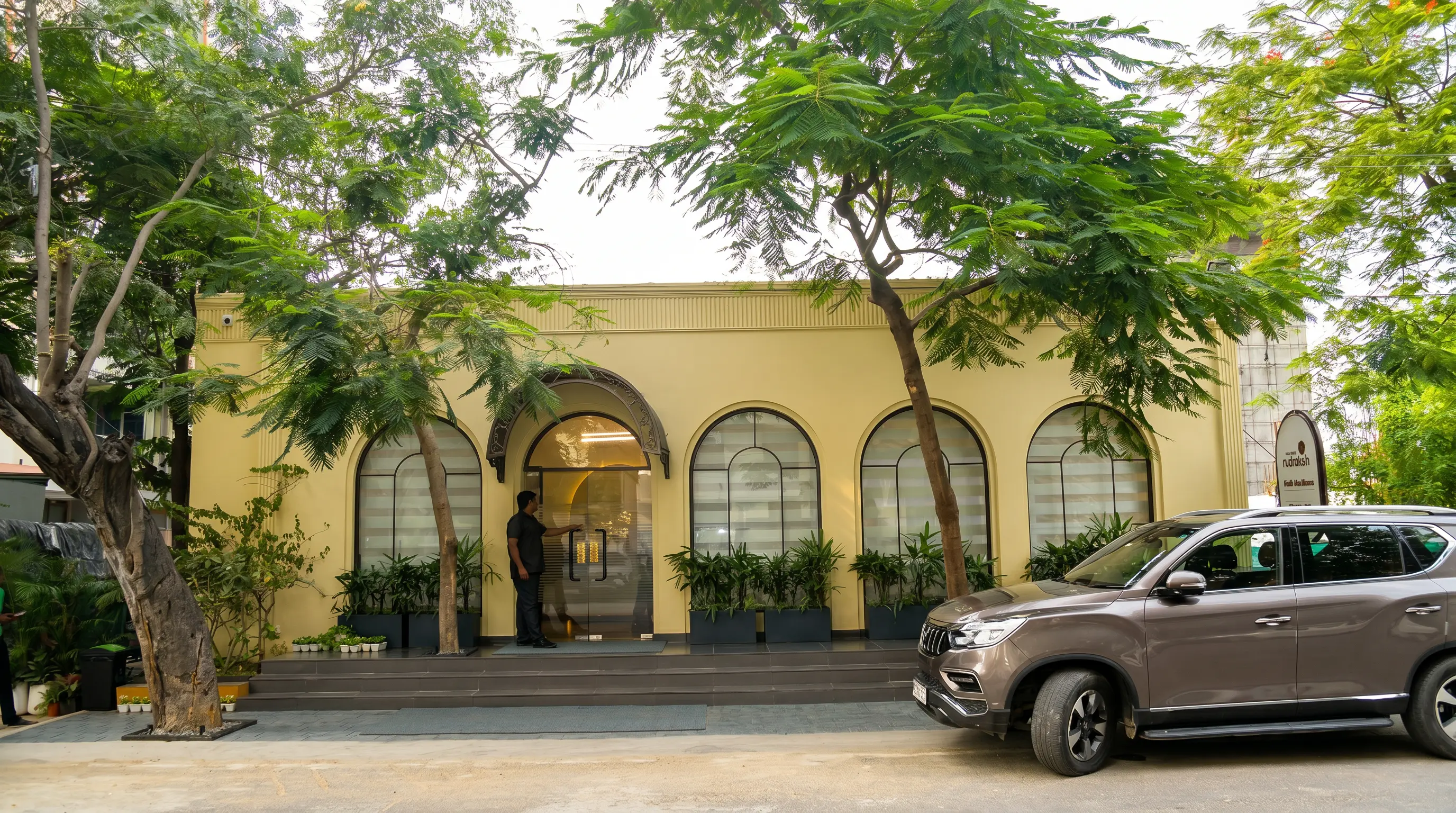
Client A focused on the basics: project information, sales discussions and standard marketing material. Their site office was functional but felt like a place for a transaction. Buyers understood the project but had little emotional connection or recall.
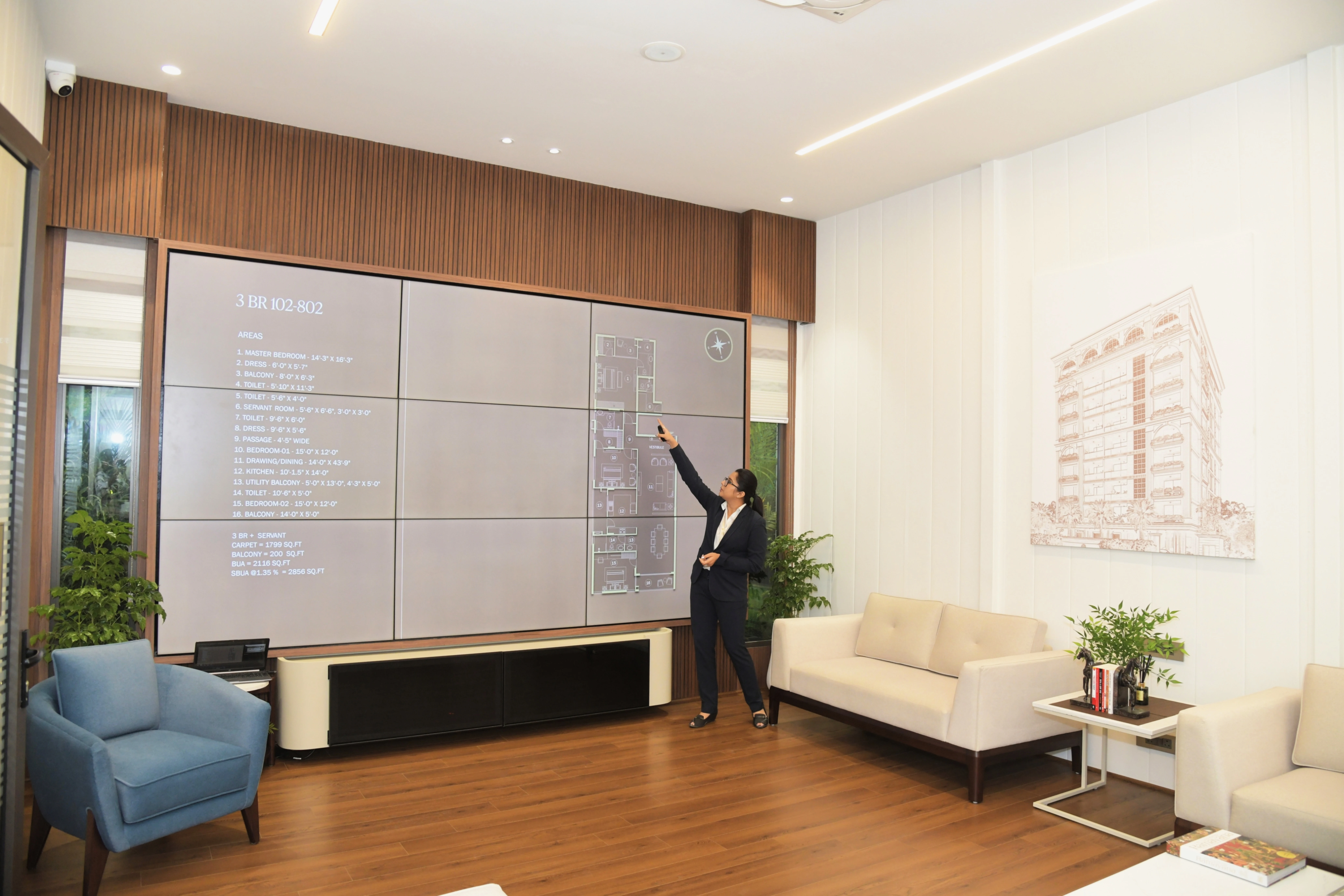
Client B invested early in a premium experience centre. Thoughtful hospitality, a welcoming environment and large-screen project visuals helped buyers understand the development and imagine the lifestyle more clearly.
The key difference was simple: Client A sold the property; Client B created an experience around it. For premium real estate, this experience can build trust, strengthen brand perception and support purchase decisions.
This Was Never About Expensive Coffee
The difference was not about serving premium coffee instead of regular tea. It was about how buyers perceived value.
For a high-value real estate purchase, buyers notice every detail—from pricing, layout and location to how they are welcomed, how the project is presented and how clearly their questions are answered.
These small signals shape their trust in the developer. Premium buyers do not necessarily expect luxury, but they do expect an experience that matches the value of their investment.
Client B gained an advantage by making the buyer journey more thoughtful, clear and consistent.
Buyers Have Changed More Than Developers Think
Today’s premium real estate buyer is exposed to better experiences everywhere. For a full profile of this buyer their motivations, budgets, and decision triggers read our in-depth report on decoding the Indian real estate buyer.
Premium buyers are already used to thoughtful experiences in hotels, retail and restaurants, so they naturally notice the details of a real estate sales environment.
A basic site office may provide information, but it rarely creates a lasting impression. A well-designed experience centre makes the project easier to remember, discuss and compare later.
The real sale often continues after the buyer leaves the site.
It often happens later, when the buyer is driving back, speaking to their spouse, comparing three projects, discussing value with family, or thinking about whether the price feels justified.
The project that created a stronger feeling has a better chance of staying in that conversation.
The Experience Centre Helped the Sales Team Too
A curated experience does not only influence the buyer. It also strengthens the sales process.
When the environment is well planned, the sales team does not need to depend only on explanation. The space supports the pitch. The screen supports visualisation. The hospitality supports comfort. The atmosphere supports trust.
This makes the conversation smoother.
Instead of spending most of the meeting trying to make the buyer imagine the project, the sales team can focus on answering more meaningful questions. The buyer already has a clearer picture. The discussion moves faster from curiosity to seriousness.
That is one reason Client B started seeing faster turnaround.
The experience did not replace the product, pricing, location or follow up. Those things still mattered. But it made each of them easier to communicate with.
It reduced the imagination gap.
And in under construction real estate, that gap is often one of the biggest barriers to conversion.
A Small Investment Can Shift the Entire Perception
Client B invested around ₹10 lakh in creating a better buyer experience, while Client A initially saw it as an unnecessary cost.
For a project worth crores, this investment can pay back through stronger price confidence, faster decisions and better sales conversations.
Brand experience is not decoration. It is a sales asset that can make the same product feel more premium, credible and valuable.
Why It Also Protects Pricing
In a competitive micro market, buyers compare everything.
If two projects are in the same locality and offer a similar product at a similar price, the buyer naturally starts looking for reasons to choose one over the other. At that point, small differences become important. It is the same mechanism behind how strong branding helps real estate projects sell faster without leaning on discounts.
A better experience gives the buyer a stronger reason to believe in the value.
When the project is presented clearly, when the space feels premium, when the interaction feels smooth and when the buyer can visualise the lifestyle better, the price begins to feel more justified.
%201.webp)
This does not mean buyers will stop negotiating. They will still negotiate. But the negotiation becomes different when the buyer already feels more confident about the project.
Client B was able to move faster because the buyer did not leave with only information. They left with a stronger impression. The product may have been similar to Client A’s offering, but the perception was not.
And perception has a direct impact on how much value a buyer is willing to assign.
The Real Lesson for Developers
Many developers still think of brand experience as something that can be added later. First launch the project, generate leads.get walk-ins, start conversations, then maybe create the experience. When brand-building is deferred this way, projects fade from memory read why your brand is becoming forgettable and how to fix it.
But by then, the first impression is already lost.
Client B planned the experience before it became urgent. That is why it felt integrated into the sales journey. Client A created the setup later, but it remained closer to a site office than an experience centre.
The difference was not only in furniture, coffee or screen size. The difference was intent. Intent is built on buyer empathy discover how emotional intelligence and empathy in design elevate brand experiences.
One space was built to host a sales conversation. The other was built to help the buyer believe in the project. That distinction changes everything.
What Buyers Actually Remember
Buyers may forget project details, payment plans or specifications, but they remember how the sales experience made them feel.
A well-designed experience builds confidence, reduces doubt and makes the developer feel more credible. It also helps the sales team turn interest into stronger purchase intent.
In premium real estate, experience can make the price and promise feel more believable.
Final Thought
Real estate fundamentals like location, planning, quality and pricing will always matter. But when projects offer similar value, the buyer experience can become a key differentiator.
Client A treated experience as an extra cost. Client B made it part of the sales strategy—and moved faster.
Today, buyers choose not only what looks good on paper, but what feels easier to trust.
Share


.png)


.png)